Retro Sunday: Blending Vintage Charm with Modern Flair
A Typeface with a Dual Personality
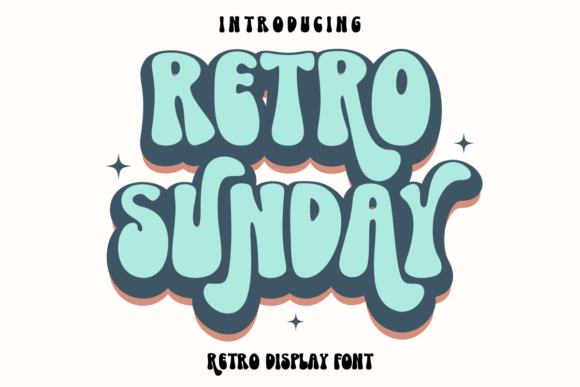
There’s a particular warmth that comes with Sunday mornings—leisurely, nostalgic, yet fresh. That feeling is precisely what the Retro Sunday typeface captures. It’s not just a serif font or a script font; it’s a distinct blend where the character of old-world charm meets a clean, contemporary aesthetic. What makes this premium font particularly engaging is its adaptability. It isn’t static. When you start mixing the lowercase and uppercase letterforms, the font reveals its true versatility. The lowercase offers a relaxed, approachable vibe perfect for handwritten font styles, while the uppercase introduces a structured elegance that anchors the design. This duality makes it a powerful tool for anyone looking to inject personality without sacrificing professionalism.
The Visual Appeal: Where Antiquity Meets the Contemporary
Visually, Retro Sunday avoids the stiffness of rigid corporate typefaces. It possesses a human touch, reminiscent of hand-lettered signage from the mid-20th century, but with sharper edges and better screen legibility that suits modern typography. The contrast between the playful lowercase and the sophisticated uppercase allows for creative freedom. You can use it to create a visual hierarchy within a single word just by changing cases. For instance, using the uppercase "R" followed by lowercase "etro" creates a flowing rhythm that guides the eye naturally. This makes it an excellent choice for logo design where distinctiveness is key. It feels bespoke and crafted, which can significantly elevate brand perception right from the first glance.
Practical Applications: From Brand Identity to Tangible Goods
While many display fonts look great in a mockup but fail in practice, Retro Sunday excels in real-world application. Its legibility holds up well across different mediums, making it a reliable design asset. In brand identity projects, it shines for businesses that want to appear friendly yet established. Think of a boutique coffee shop, a vintage clothing line, or a creative agency. The font communicates a story of quality and care.
For packaging design, the font’s charm is undeniable. It draws the consumer in, suggesting a product that is artisanal or carefully curated. On physical merchandise like t-shirts, tote bags, or even doormats, the high-contrast letterforms ensure the message pops. It is particularly effective for social media graphics and editorial design where you need to stop the scroll. The distinct style helps in creating a consistent aesthetic across platforms, reinforcing brand recognition. Whether it is used for a hero image on a web design project or the headline of a printed poster, it commands attention without being aggressive.
Strategic Usage: Maximizing Impact and Readability
Using a creative font like Retro Sunday effectively requires some strategy. Because it is a display font, it is best suited for headlines, subheadings, and short bursts of text rather than long-form body copy. For body text, you will want to pair it with a clean sans serif font or a simple serif to maintain readability. A common mistake is pairing a decorative font with another complex typeface; the result is often visual chaos. Instead, let Retro Sunday be the star of the show and use a neutral companion to provide context.
When evaluating if this font fits your project, consider the audience engagement you seek. If your goal is to evoke nostalgia or convey a laid-back, friendly atmosphere, this is an ideal choice. However, if you are designing for a strictly corporate legal firm or a medical institution, the playful nature might undermine the seriousness of the content.
Technical Considerations and Licensing
Before integrating Retro Sunday into your workflow, always test your font pairings. Create a few mockups to see how the spacing (kerning and tracking) interacts with your other design elements. Check the included styles; many commercial fonts come with alternates or ligatures that can further customize the look. Finally, ensure you understand the commercial licensing. If you are using it for client work, merchandise for sale, or app development, you need a license that covers those specific use cases. Investing in a proper license protects you legally and supports the typographers who create these high-quality assets.
Ultimately, Retro Sunday