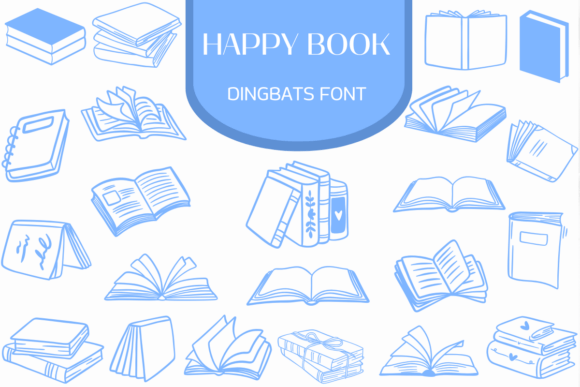
Happy Book: A Dingbats Font for Every Creative Project
Understanding the Visual Appeal of Happy Book
When you first encounter Happy Book, you immediately notice its playful, handwritten charm. This isn't just another typeface—it's a dingbats font that brings personality to every project it touches. The visual style strikes a balance between casual and polished, with slightly irregular letterforms that feel genuinely handcrafted rather than digitally sterile. Each character carries subtle variations in weight and angle, creating that authentic handmade quality many designers and creators seek.
What makes Happy Book stand out in the crowded world of creative fonts is its versatility disguised as simplicity. The overall aesthetic leans warm and approachable, with rounded terminals and gentle curves that soften any layout. It doesn't scream for attention the way some display fonts do, yet it holds its own beautifully in headings, quotes, and accent text. The personality reads as friendly, optimistic, and sincere—qualities that resonate across demographics and project types.
From a modern typography perspective, Happy Book occupies an interesting space. It borrows the intimacy of a script font while maintaining enough structure to remain legible at various sizes. This makes it particularly useful for designers who want handwritten warmth without sacrificing clarity. Whether you're working on logo design, editorial design, or packaging design, the font adapts to context while keeping its distinctive character intact.
Where Happy Book Shines Across Creative Projects
The practical applications for Happy Book extend far beyond what you might expect from a dingbats font. Yes, it excels at personal projects like journaling, diary entries, and handwritten-style notes. But its real strength lies in how seamlessly it transitions into commercial and professional work.
For small business owners and entrepreneurs, Happy Book works remarkably well for brand identity projects that need a human touch. Think about coffee shop menus, boutique packaging, artisan product labels, and handmade goods branding. The font communicates authenticity and care—exactly the message many independent brands want to convey. It pairs beautifully with clean sans serif fonts for body text, creating visual hierarchy that feels both professional and personal.
Content creators and marketers will find Happy Book particularly useful for social media graphics. Instagram quotes, Pinterest pins, Facebook headers, and YouTube thumbnails all benefit from fonts that feel genuine rather than corporate. The handwritten quality of Happy Book adds emotional resonance to motivational content, announcements, and promotional materials. It catches the eye in crowded feeds without relying on visual tricks or excessive styling.
Greeting card designers and stationery creators represent another natural fit. The font's warmth makes it ideal for wedding invitations, thank-you cards, birthday wishes, and holiday greetings. But it also works for web design elements like call-to-action buttons, testimonial sections, and blog post titles where you want to inject personality into the user experience.
Practical Guidance for Using Happy Book Effectively
Choosing the right font pairing can make or break a design featuring Happy Book. Because it carries such a distinctive personality, you'll want to pair it with typefaces that complement rather than compete. A geometric sans serif font like Montserrat or Poppins creates clean contrast, while a traditional serif font like Lora or Playfair Display adds elegant sophistication. Test your combinations at actual project sizes—what looks balanced in a 72-point headline might feel cramped at 14 points.
Readability deserves serious consideration, especially for longer text passages. Happy Book works best as an accent or display typeface rather than a primary body text choice. For editorial design projects, reserve it for pull quotes, section headers, and feature titles. In packaging design, use it for product names and taglines while keeping ingredient lists and regulatory information in a more legible sans serif or serif font.
Before committing to Happy Book for any commercial font project, review the licensing terms carefully. Most premium fonts offer different licenses for personal and commercial use, and some restrict usage across certain mediums or distribution methods. Check whether the license covers design assets you plan to sell, such as templates, printables, or merchandise. Understanding these terms upfront prevents headaches later and ensures your project stays compliant.
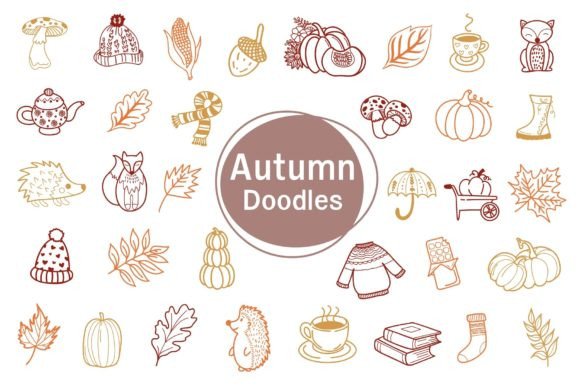
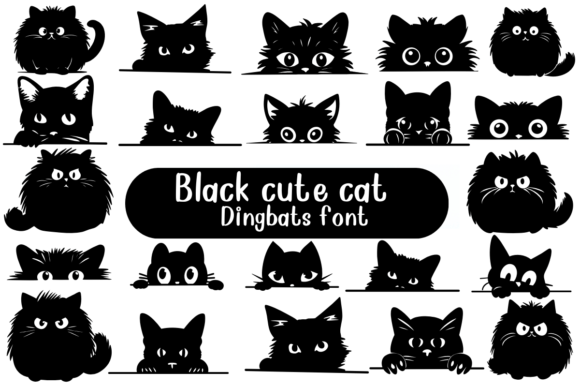
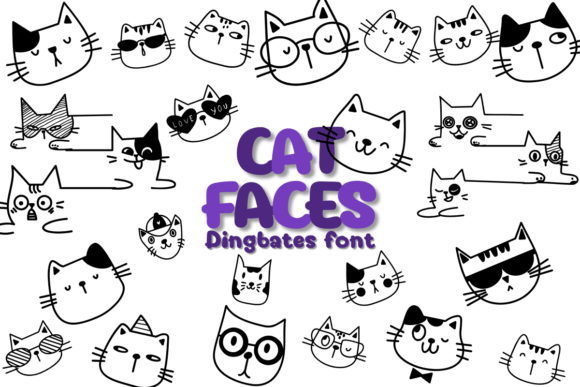
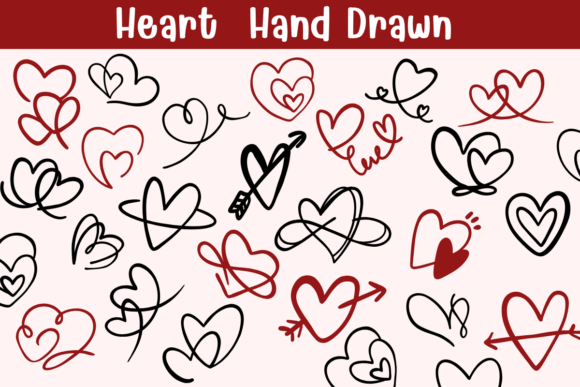
Take time to explore all included styles and character sets. Many creative fonts include alternate letterforms, ligatures, and special characters that can elevate your designs significantly. Happy Book's dingbats elements offer additional decorative options that work well for dividers, bullet points, and ornamental accents. Experiment with these features during the design phase rather than discovering them after finalizing your layout.
Making the Most of This Handwritten Typeface
Evaluating whether Happy Book fits your specific project requires honest assessment of your goals and audience. For audiences aged 20-50 who appreciate authenticity and craftsmanship, the font resonates strongly. It communicates that a real person stands behind the brand or message—something increasingly valuable in an era of automated content and algorithmic feeds.
Bloggers and publishers can leverage Happy Book to differentiate their visual identity from competitors using the same handful of overused typefaces. When every food blog uses the same trendy script font, choosing something with genuine character helps you stand out. Apply it to your blog header, post titles, or featured image text to create a cohesive visual language readers will recognize across platforms.
For crafters and hobbyists, Happy Book bridges the gap between digital and physical projects. Design digital invitations, then print them for mailing. Create quote graphics for social media, then transform them into framed art prints. The font's consistency across mediums means your digital designs translate reliably to printed materials, maintaining their intended personality and impact.
Remember that modern typography is about intentionality, not just aesthetics. Every font choice communicates something about your brand, your message, and your audience. Happy Book communicates warmth, creativity, and approachability. Use it where those qualities align with your goals, and you'll find it becomes an invaluable part of your design assets toolkit.